

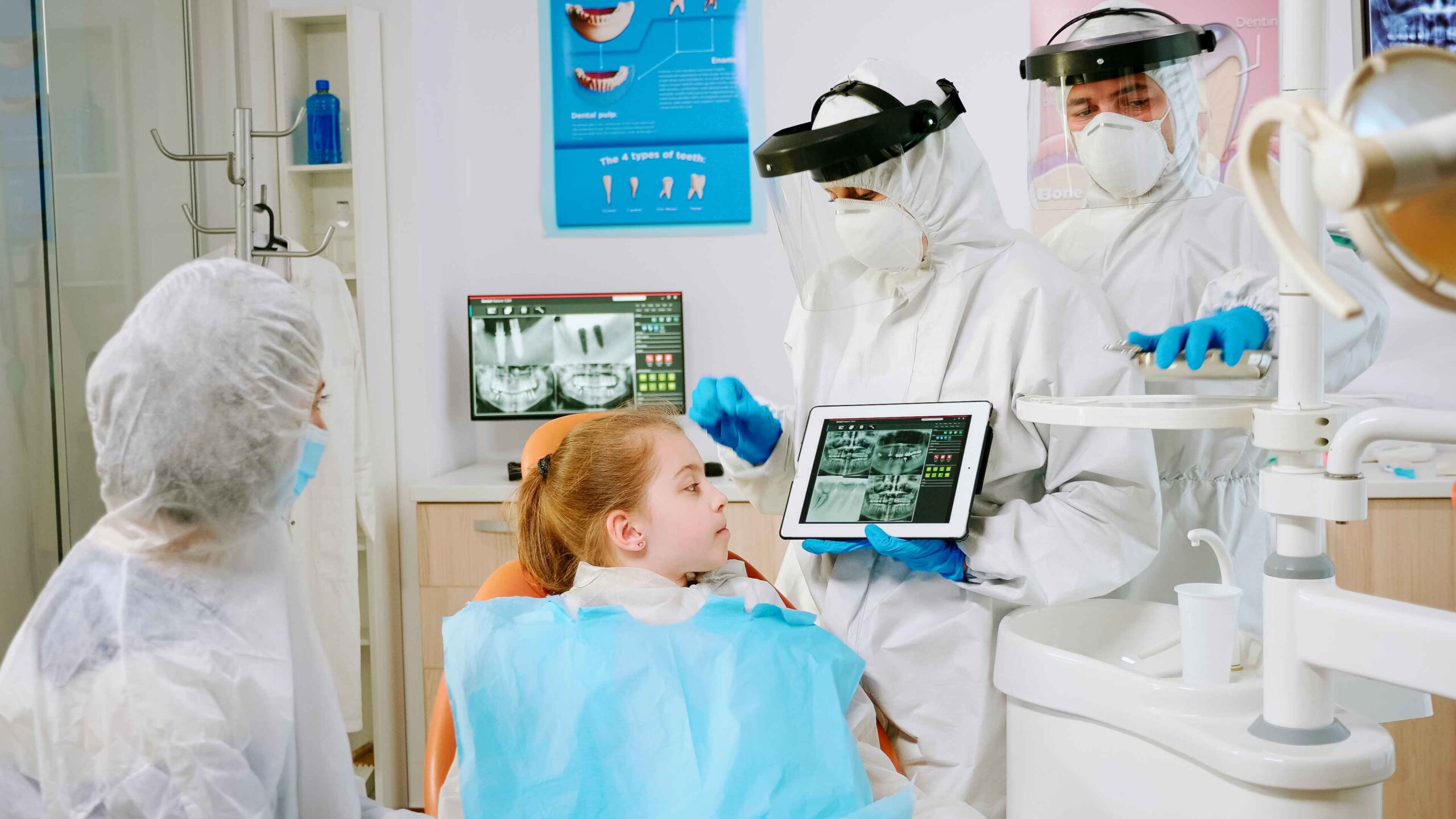
Dental care has changed quite a bit over the years. Traditional X-rays and physical impressions are now being joined by digital scans, 3D imaging, computer-aided systems, and other tools as well. At Dental Oasis, these developments can support a more comfortable and well-planned dental treatment experience.
Technology isn’t only about using newer machines. It can help dentists understand teeth in greater detail, explain problems more clearly, and keep digital records organized. The result is a smoother experience from examination to treatment.
The Role of Technology in Modern Dentistry
Digital technology now has a place in many parts of a dental clinic. Some tools support diagnosis, while others help with planning, restorations, or communication with dental laboratories.
For patients, some of the biggest advantages include:
- Clearer digital images
- More detailed treatment planning
- Faster transfer of digital records
- Greater comfort during some procedures
- Better communication between dentists and laboratories
At Dental Oasis, these developments can support a more organized and patient-focused experience. However, not every patient needs every available technology. Dentists still need to choose tools based on each case.
How Technology Is Changing Modern Dental Treatment
From diagnosis to restoration, technology is changing different stages of dental treatment. Some developments focus on making procedures more comfortable, while others help dentists work with more detailed information. Here’s a closer look at some of the technologies making a difference.
More Accurate Diagnosis With Digital Imaging
Digital X-rays can be viewed and stored quickly, which helps dentists examine teeth as well as surrounding structures. For more complex cases, CBCT can create three-dimensional images of the teeth and jaw.
These technologies can help with:
- Examining teeth and jaw structures
- Planning certain implant procedures
- Assessing dental trauma
- Supporting root canal diagnosis
- Reviewing complex areas of the mouth
The U.S. Food and Drug Administration notes that CBCT can be useful when detailed imaging is clinically necessary. It isn’t needed for every patient, and dentists also consider radiation exposure.
Comfortable Impressions With Intraoral Scanners
Traditional dental impressions aren’t everyone’s favorite part of a dental visit. Intraoral scanners offer a digital alternative by using a small handheld device to capture detailed images of the mouth.
These scans can be useful for:
- Crowns and bridges
- Clear aligners
- Dental restorations
- Implant-related planning
- Digital dental models
Digital scanning can improve workflow and offer a more comfortable impression experience.
Better Planning With CAD/CAM Technology
Computer-aided design and manufacturing, commonly called CAD/CAM, have also changed the way some restorations are created. Dental professionals can use digital information to design restorations before they are manufactured.
This can help:
- Improve clinic and laboratory workflow
- Reduce manual steps
- Transfer digital records easily
- Support consistent restoration design
At Dental Oasis, digital tools can complement professional judgment when dentists assess information and choose a suitable approach.
3D Printing and Artificial Intelligence
3D printing has opened up further possibilities in dentistry. Depending on the application, it can be used to produce models, surgical guides, and certain dental appliances. This can make some parts of the workflow more efficient as well as easier to customize.
Common uses include:
- Creating dental models
- Producing surgical guides
- Supporting selected appliances
- Working from digital designs
Artificial intelligence is another developing area. AI can assist with analyzing dental images and also identifying patterns that may need closer attention. However, it remains a supporting tool instead of a replacement for clinical judgment.
For patients receiving dental treatment, these technologies can support clearer planning while dentists remain responsible for clinical decisions.
Conclusion
In a nutshell, technology is making modern dentistry more digital, detailed, and connected. Digital imaging, intraoral scanning, CAD/CAM, 3D printing, and AI can improve patient experience and treatment planning.
At Dental Oasis, the focus remains on combining useful technology with professional judgment and patient-focused care. When used appropriately, these tools can make dental treatment more informed, efficient, and comfortable.

